
Introduction
Promotional coasters provide more than table protection against water rings and spills. In a competitive market, even a small printed item can become a practical branding asset that works every day, right in front of customers. A well-designed coaster creates brand visibility through its presence in cafés, bars, restaurants, hotels, tasting rooms, event venues, and corporate gatherings.
The product possesses value for both design purposes and marketing efforts. The system operates at low expense because it distributes easily and shows itself to users throughout everyday life. Customers focus their attention on coasters which stay at their drinking stations. The natural positioning of the beverage creates a superior advantage for the product.
Companies tend to allocate large budgets for their signage and packaging and digital advertising and interior design elements while they fail to recognize the power of small tools that enable customers to remember their brand through subtle and continuous exposure.
The most successful brands utilize every available interaction point within drink-serving spaces to maximize their operational potential. A coaster is one of those touchpoints. The element may appear insignificant by itself, but proper implementation results in atmosphere enhancement and identity reinforcement and customer memory improvement.
The article examines coaster importance in modern branding through analysis of coaster effectiveness and its business applications across hospitality and retail and events.
Why Small Print Items Still Deliver Strong Results
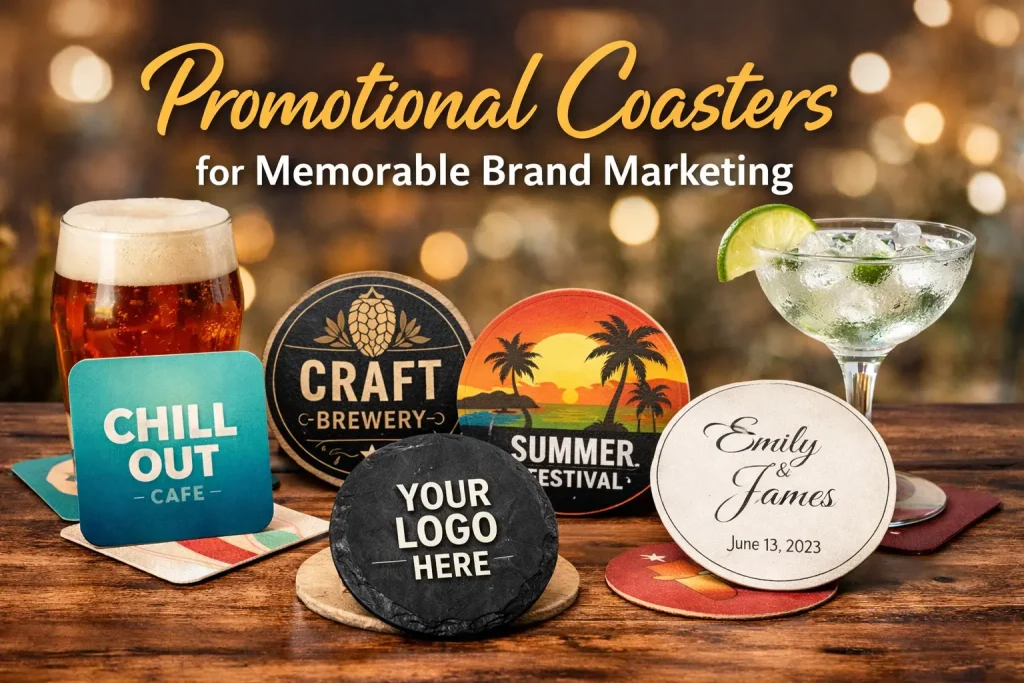
Modern branding creates its identity through persistent branding which occurs throughout multiple consumer contact points. The value of small printed materials endures because they establish brand recognition. The elements create brand recognition. The elements create brand recognition. The elements create brand recognition. A coaster functions effectively because it combines practical function with visual design. Customers do not ignore it in the same way they might ignore flyers or posters. The component exists within the experience of consuming beverages. A clear design which includes relevant elements creates a natural part of the environment while avoiding an obvious promotional effect.
Another reason these pieces perform well is frequency. A table may turn over several times in one day. A venue serving dozens or hundreds of customers can generate repeated exposure from the same design asset without recurring display costs. Businesses that need to improve customer recall will find this method affordable because it delivers valuable benefits throughout its extended duration.
There exists a benefit which people can feel through touch. Physical print materials attract more human contact than most brands predict. People handle the object while they perceive its touchable surface and view its brief written content and logo through automatic recognition. The combination of design elements with message content and product distribution creates an experience which customers will notice through their interactions with the basic tabletop display.
Why Promotional Coasters Still Matter in Hospitality and Events
The atmosphere establishes the foundation of hospitality. Customers use their judgment to evaluate the quality of drinks and meals, which includes their assessment of service. The details of the experience become important for customers to assess. They observe three elements which include the complete appearance of the environment and the brand’s design process and the identical appearance of all menus and packaging and signage and table presentation. Promotional coasters provide businesses with a competitive advantage at that point. The design transforms an essential operational element into a branding component that enhances visual identity. The brand atmosphere in bars and cafes is maintained through their use. They create a cohesive appearance for restaurant table settings. At weddings and launches and trade events and brand activations, they can be customized for the occasion and become part of the event identity.
The system allows users to select from various message options. A business can use them to display a logo, a campaign line, a QR code, a seasonal offer, a product name, a social media prompt, or a short brand statement. The message must remain concentrated because the surface space of the area is restricted, which creates positive results. The process helps to establish clear ideas about the subject matter. All parts of the business operations require this requirement.
The visual identity of a brand needs to present premium quality because that is essential for effective branding. The process requires multiple encounters to achieve success. The customer develops trust in the business because they observe the same visual elements through the menu and wall graphics and takeaway packaging and tabletop materials.
Branding Value Beyond the Logo
The common mistake exists because people see coasters as simple printing surfaces for logos. The opportunity exists to create stronger brand representations through their use. The typography, shape, finish, material, color palette, and tone of copy all contribute to perception. A premium dining space requires a refined minimal layout design which uses muted tones and embossed detail. A craft beverage brand may use bold color storytelling and more expressive design. The wedding planner will select elegant monograms and custom illustration designs. A sports bar needs to build its design with materials that can endure use while maintaining visual separation through strong visual differences.
The coaster should match the brand environment according to the main point. The product transitions from being a random accessory to becoming essential, which happens during this process. The brand language receives elements from this procedure. The consistent design element enables people to memorize information because it creates rapid emotional responses in customers who evaluate professional appearance and service quality.
The context of a situation determines effective branding. The design should use bold elements when the space has high-energy movement. The layout needs to represent the brand because it operates with either sophisticated or traditional heritage values. Print design needs careful consideration because different designs work best in different situations.
How Promotional Coasters Support Local and Event Marketing
Businesses need to achieve visibility through two methods which enable them to connect with existing customers. Customers need to remember businesses because their products will keep appearing in their minds. Restaurants and other businesses which depend on customer foot traffic need promotional coasters which serve as practical tools for their operations. The service provides value to restaurants, breweries, cafés , pubs, lounges and boutique hotels as well as event planners and caterers and specialty beverage brands which need customer contact through physical locations and direct interactions.
The service provides value to businesses which conduct their marketing activities through specific campaigns. Custom tabletop print products support new drink launches and happy hour promotions and tasting sessions and music nights and festive menus and wedding events. The company offers flexible budget-friendly options to create short-term display items which can be transformed into different designs.
The product enables users to share their content through multiple channels. People will take pictures of tablescapes and drinks and branded settings when they see a design which stands out from the ordinary. The business gets an opportunity to appear in user-generated social media content. The coaster functions as a tool which businesses can use to create visibility in both their physical and digital spaces.
The product provides even greater value for use during events. Event organizers can use a single custom print run to create their invitations and menus and backdrops and table styling elements. The solution creates event unity through its professional touch while keeping costs down.
Design Elements That Make Promotional Coasters Effective
The most effective designs show their best results through their simplest layouts. The most effective designs show their best results through their simplest layouts. A successful coaster needs to begin with its most important requirement. The main requirement of the project defines which design elements need to be constructed. The main requirement of the project defines which design elements need to be constructed. Readability matters.
The text loses its impact when the size becomes too small and the design becomes too crowded. The text requires two elements to create proper readability. The design needs to withstand actual conditions because a coaster gets used across different light settings that range from bright cafés to dim bars. The same goes for shape and size. All four formats which include round, square, die-cut, and layered designs should support brand identity while maintaining their design elements.
Material selection holds equal weight to material selection. The beverage industry uses absorbent pulpboard for bars and spaces which serve drinks because its moisture handling capabilities make it suitable. The thicker board and premium textured stock provide better performance for upscale venues and special events. The finish of a product determines how people perceive it. Matte surfaces create an impression of elegance. Gloss finishes enhance color visibility yet they decrease design sophistication during particular situations.
The message should stay short. The message should stay short. A logo, one line of copy, and maybe one action point is usually enough. The user must be able to scan the QR code easily because he needs to see its reason for existence. The user must be able to scan the QR code easily because he needs to see its reason for existence.
Industry Use Cases
Coasters maintain their usefulness in different fields that exceed most people’s expectations. The bars and pubs use coasters to display their beer brands which they use for partner promotions and seasonal menus and special event nights. Cafés use them to elevate presentation, especially when the brand is design-conscious. Restaurants use them to complete table settings and create a unified identity through their tableware. Hotels use them in their lounges and guest rooms and function areas. Beverage brands use them during tastings, launches, and retail activations. Wedding planners and event agencies use them for monograms, names, dates, and theme styling.
Corporate events can benefit too. Tabletops function as unused communication areas at conferences which include networking sessions and product launches that provide beverage service. The right design element placed in that space will enhance the event’s core message while maintaining visual balance.
The retail spaces that feature hospitality sections or beverage service areas can use these items to enhance the display of their packages and brand identity. The key is not the industry itself. The business needs to operate according to its established guidelines on visual elements which should be displayed to clients throughout their entire operational period.
Common Mistakes to Avoid
The first design mistake results from excessive design elements which include too many text elements and multiple color options and various action buttons. The second mistake is poor material selection. The product creates negative appearance problems when it demonstrates excessive curling and exhibits poor absorption and presents a flimsy appearance which does not suit the required setting. The third mistake is weak alignment with the brand. A premium venue using a generic layout loses impact. A vibrant youth-focused brand using overly formal styling can feel disconnected. The design must fit the environment.
Another frequent issue occurs when people view print materials as decorative elements. The pieces require a definite purpose. The objective which requires brand reinforcement determines how to design the layout.
Most businesses disregard the importance of print quality. The final product becomes impaired through faded colors which exhibit poor registration and create soft edges. All items which customers will see must meet strict quality standards which our company will enforce without exception.
Production, Practicality, and Long-Term Value
The decision about printing needs to find the right balance between three factors which include expenses and functionality and visual design. That is especially important when ordering in bulk. The printing requirements of businesses include three factors which consist of moisture resistance and print durability and storage and transportation and usage frequency requirements.
For regular hospitality use, absorbency and cost-efficiency matter most. For premium events, finish and presentation may matter more. For campaigns, speed and flexibility may take priority. The selection process requires actual use scenarios for decision making instead of making choices based on assumptions.
The return exists because people encounter the item multiple times. One design run can support thousands of customer interactions. The cost per impression which results from this system operates at high efficiency because many digital marketing methods lose their value after the budget ends.
There is a hidden element of trust which people experience. Customers notice when a space feels complete. People do not express every thought about their experience but the presence of branded elements which show care affects their overall evaluation.
Why Promotional Coasters Deserve a Place in Modern Marketing
The market requires brands to obtain assets that display naturalness and functionality and allow for continuous use. The requirement for promotional coasters exists because they function as needed. The objects maintain their normal size. The objects maintain their normal size. The objects function without producing noise while operating in spaces where people already focus their attention.
Businesses that want to increase their print results without creating forced selling situations should consider this solution. The correct application of these tools enables businesses to enhance recall abilities while building their visual brand identity and improving presentation materials and establishing connection between their campaign elements.
Small businesses should take advantage of small-format branding because it improves their branding efforts. They use it deliberately. They understand that customer perception is often built through detail, not just scale.
Conclusion
The functionality of drink coasters extends beyond their basic appearance because they create significant opportunities for brand promotion. The design elements of the product provide three benefits because they can be used in places that include hospitality venues and event spaces and areas where customers interact with staff. The combination of brand-appropriate design elements and suitable materials enables products to function as more than basic tabletop protection. They become part of the customer experience which customers perceive.
This category provides businesses with budget-friendly printing solutions which achieve actual visibility. The solution creates a particular atmosphere which enhances customer recognition while maintaining visual identity that customers connect with high-quality products.
Promotional coasters maintain their worth because of this fact. The product succeeds because of its practical design instead of its attractive features.
FAQ
1. Are promotional coasters good for small businesses?
Yes. They are cost-effective, highly visible, and especially useful for cafés, bars, restaurants, boutique venues, and local events where brand recall matters.
2. What material is best for drink coasters?
It depends on use. Absorbent pulpboard works well for beverage-heavy environments, while thicker premium board suits upscale events or presentation-focused settings.
3. Can coasters be used for event marketing?
Yes. They are effective for weddings, launches, tastings, trade shows, networking events, and seasonal promotions because they add branding without taking up extra space.
4. What should be printed on a coaster?
Keep it focused. A logo, short message, event detail, QR code, offer, or social prompt usually works best. Avoid overcrowding the design.
5. Do custom coasters help with brand recall?
Yes. Repeated exposure at tables, counters, and event spaces helps customers remember the business more easily, especially when the design is clear and consistent.
6. Are they only useful for bars and pubs?
No. They also work for cafés, hotels, restaurants, weddings, corporate events, retail activations, and beverage sampling campaigns.